Key points
- Yulin concentrates trading, grading and re-export, so dozens of lots of the same product are comparable on one day.
- Star anise pricing usually resets after the main autumn harvest in August–October.
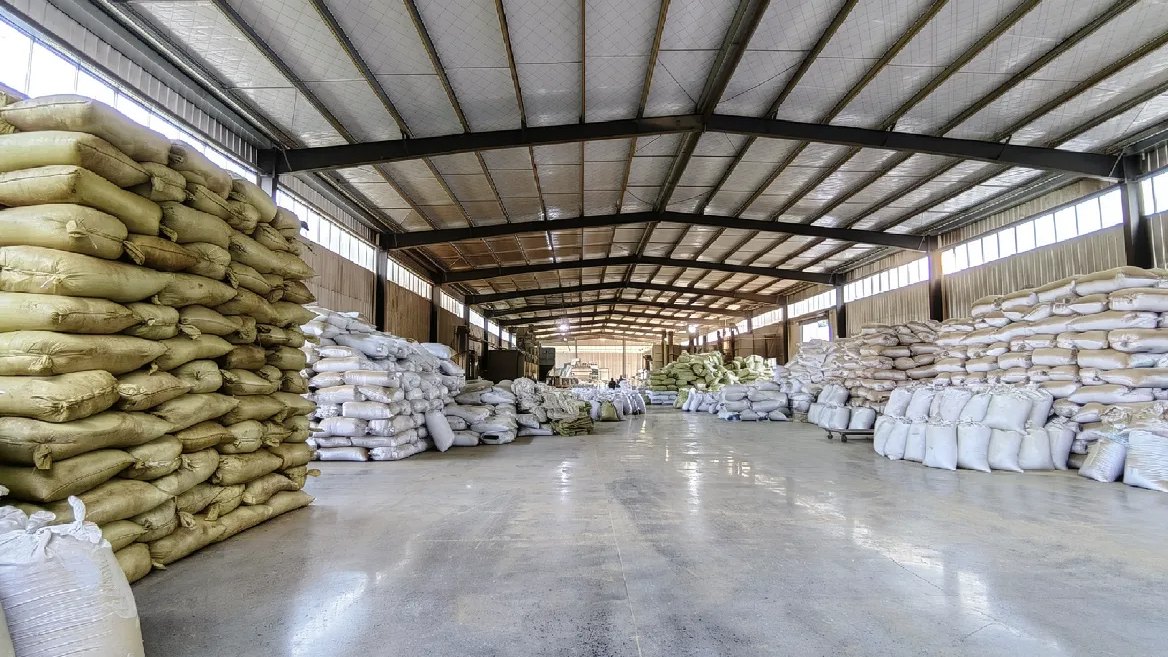
- Storage discipline — ventilated, off-floor, bagged by lot — separates a good grade from a future claim.
- Senyu Spices has operated from the Fuda trading centre since 2016, 3,200 m² and about 5,000 MT annual capacity.
Where Yulin sits in the spice map
Yulin is a prefecture-level city in the southeast of Guangxi, roughly 200 km from the coast and a few hours by road from the ports of Qinzhou, Beihai and Fangchenggang. It is subtropical, humid and frost-free — good conditions for Illicium verum, cassia, and a long list of medicinal botanicals — but its real importance is commercial rather than agronomic.
Yulin is widely described as China’s spice capital, and the description holds up in practice: a very large share of the country’s spice trading, grading, blending and re-export passes through the city’s markets and the processing sheds around them. For a buyer, that density means something specific — on any given day there are dozens of lots of the same product in the same place, which makes price comparison possible in a way it is not at a single factory gate.
Why origin concentration affects your price
Three things get cheaper when supply is concentrated in one trading town.
- Comparison. A trader in Yulin can price your specification against ten lots before lunch. A buyer working through agents in three provinces cannot.
- Grading. Sorting capacity is local and abundant, so a specific broken-pod tolerance or size band costs less to achieve than it would where sorting is a bottleneck.
- Blending to spec. When a single lot cannot meet a moisture or colour target, local supply can be blended to hit it — legitimately, within the contract, and with records.
The flip side is that Yulin pricing moves on local sentiment as much as on national supply. Quotes are valid for days, not weeks, particularly in the run-up to a harvest.
Inside the Fuda trading centre
The Fuda International Spice Trading Center in Luchuan County is where a large part of that trade is physically transacted. Rows of trading floors, sample rooms and warehouses hold everything from single bags of a rare botanical to container lots of star anise, and the same street holds the graders, the packers and the freight agents who move it out.
Our office and grading operation sit inside that ecosystem at C1-07. It is not a romantic detail — it is the reason we can confirm a grade, a moisture reading and a loading date without a week of phone calls, and why a specification change mid-order is a conversation rather than a renegotiation.
Harvest calendar: when to lock a price
Spice prices are seasonal. Buying a few weeks before the new crop lands is usually the most expensive moment of the year; buying into a good harvest is usually the cheapest. Indicative Chinese harvest windows:
| Product | Main harvest | Buying note |
|---|---|---|
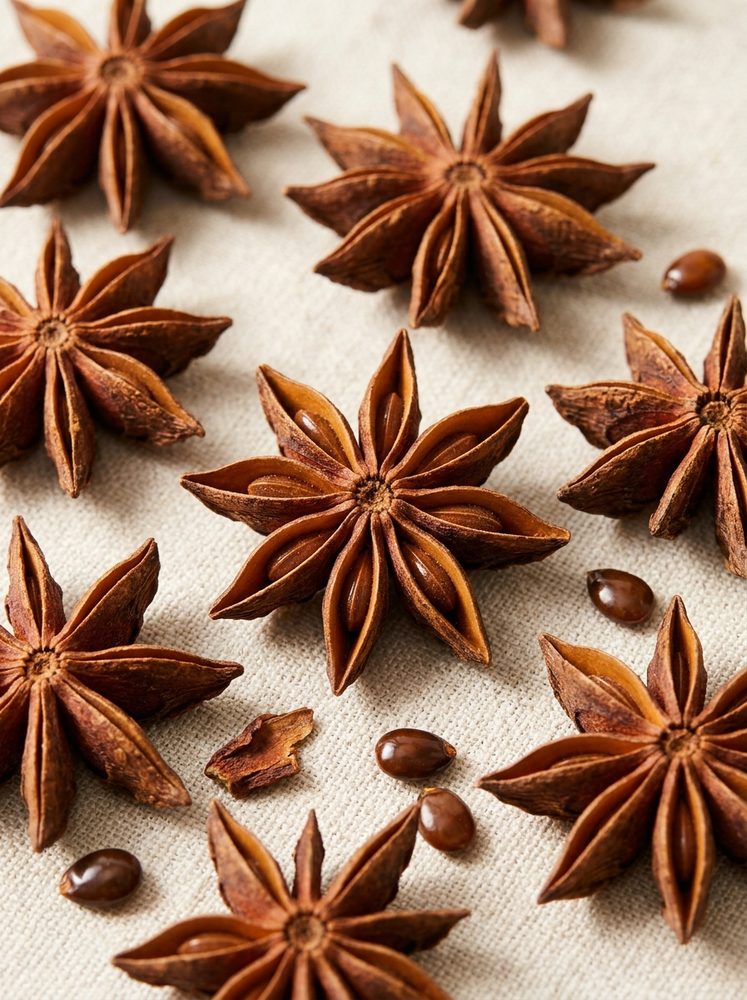
| Star anise | Aug–Oct (main), Feb–Mar (spring crop) | Autumn crop sets the annual price direction |
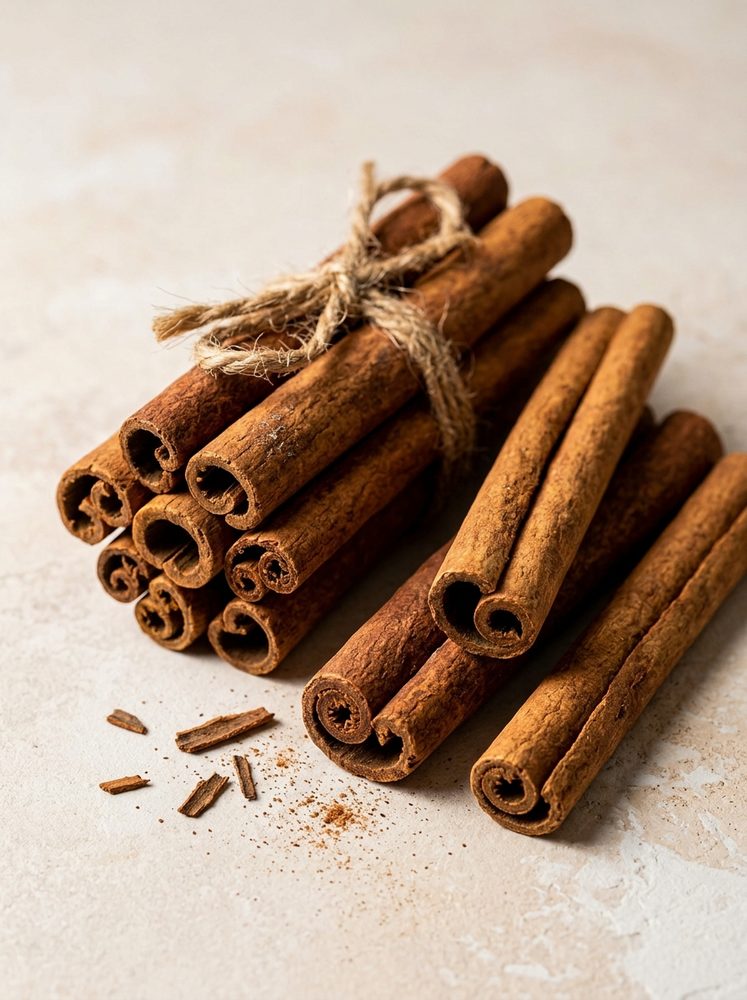
| Cassia bark | Mar–Jun | Quality follows bark thickness, which follows tree age |
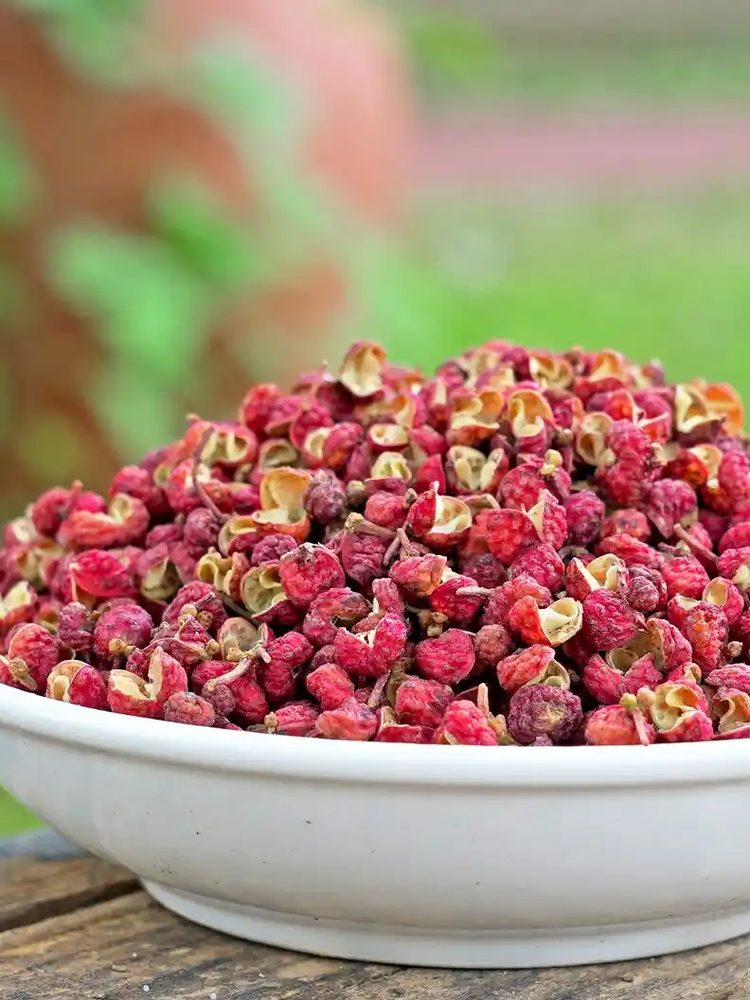
| Sichuan pepper | Jul–Sep | Colour and aroma fall off quickly in storage |
| Ginger | Oct–Dec | Fresh-crop drying quality varies year to year |
| Turmeric | Dec–Feb | Curcumin content is the swing factor |
| Fennel seed | Jun–Aug | Size grading drives the premium |
| Clove, nutmeg, pepper | Imported, year-round | Priced off global origin markets, not Chinese harvest |
Indicative windows only — weather shifts them by weeks, and a late harvest usually tightens supply before it loosens it.
How to buy well on a Yulin visit
If you are going to visit one origin in China, make it this one. A two-day trip is enough to change how you buy.
- Bring your specification, not your wish list. Grade, moisture, tolerance, packing, volume. Suppliers quote what they hear, and vague briefs come back as vague offers.
- Ask for the lot, then ask for the COA. Any trader can show you a good sample. The question is whether that sample belongs to a lot that exists.
- Watch the grading floor. How a supplier sorts tells you more about consistency than any brochure.
- Check storage. Ventilated, off-floor, bagged by lot. Damp storage is where a good grade becomes a claim.
- Leave with a sealed sample. Seal it, date it, sign it, and attach it to the contract.
Where Senyu Spices fits
We have worked inside this market since 2016, from a 3,200 m² facility with a team of 45 and an annual capacity of about 5,000 MT. Our customers are food manufacturers, seasoning blenders, traders and food-service supply chains who need a grade confirmed rather than a promise made.
What that means commercially: minimum order 1 MT per grade, delivery in 25–30 working days, loading from Qinzhou or a port of your choice, and documentation prepared for your market rather than ours. If you are comparing Yulin suppliers, the useful question is not who quotes lowest on a generic grade — it is who will quote your actual specification, in writing, with a lot behind it.
Frequently asked questions
Why is Yulin important for spice buyers?
Yulin concentrates China’s spice trading, grading and re-export in one city, so many lots of the same product are comparable on the same day. That density lowers the cost of achieving a specific grade and makes price discovery far faster than dealing with scattered factories.
When is the best time to buy Chinese star anise?
Pricing usually resets after the main autumn harvest (August–October). Buying immediately before a new crop lands is typically the most expensive window; buying into a strong harvest is typically the cheapest.
Can I visit your facility and the Yulin market?
Yes. We arrange visits to our grading facility and the Fuda trading centre, and can coordinate sample review, factory audits and third-party inspection in the same trip. Give us two weeks’ notice so the lots you want to see are on hand.
How far is Yulin from the port?
A few hours by road from Qinzhou, Beihai and Fangchenggang. Our usual loading port is Qinzhou; other ports are used when the routing suits the buyer better.