Key points
- Five documents move every spice shipment: invoice, packing list, bill of lading, certificate of origin, phytosanitary certificate.
- EU aflatoxin limits for dried spices: 10 µg/kg total, 5 µg/kg AFB1 (Regulation (EU) 2023/915).
- For US imports the importer of record files prior notice and holds FSVP records; we supply lot-level documentation.
- A first order in a new market should be planned at 10–12 weeks door to door.
The six-step import sequence
Buying from China is a sequence, not a single transaction. Each step produces a document the next step depends on, and the mistakes that hurt most are the ones made out of order.
- Classify the product in your own tariff schedule.
- Agree the specification and the price basis.
- Confirm documents required by your market and your bank.
- Place the order and pay the deposit.
- Inspect and load, then collect the document set.
- Clear customs and file whatever your regulator wants on file.
Steps 2 and 3 are where a first-time importer loses the most time. Both can be finished before a single dollar moves.
Classify the product first
Your tariff code decides duty, import licensing and which regulator’s rules apply. The codes below are the usual entry points for Chinese-origin spices; always confirm against your own customs broker’s schedule, because subheadings and national extensions differ.
| Product | Indicative HS heading | Note |
|---|---|---|
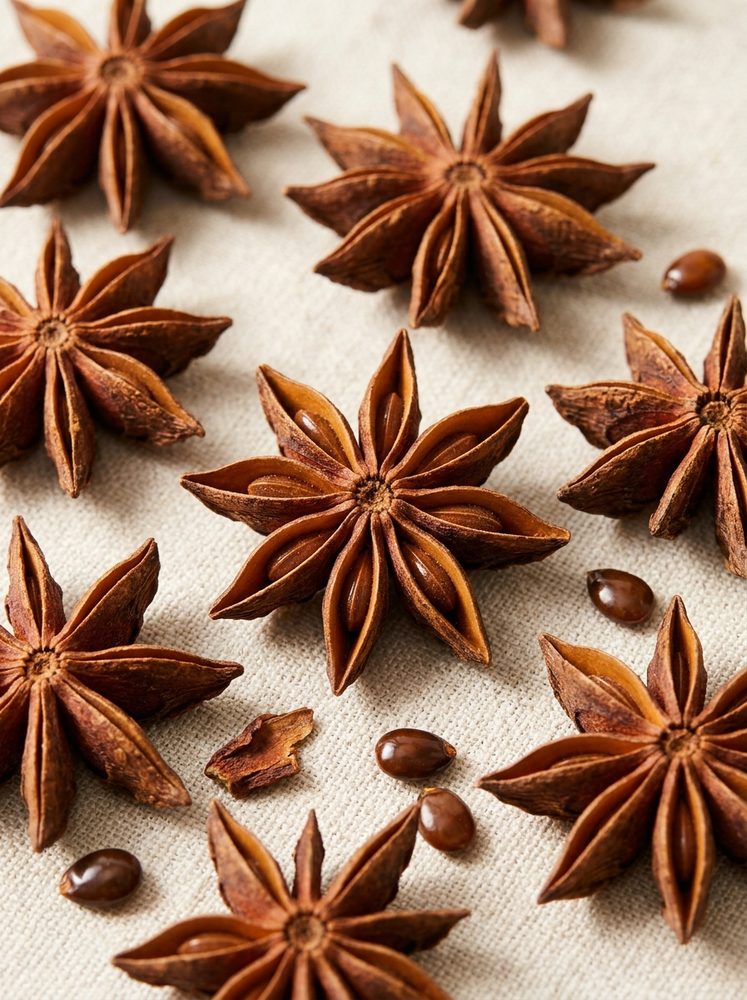
| Star anise, whole | 0909.61 | Neither crushed nor ground |
| Star anise, ground | 0909.62 | Crushed or ground |
| Fennel seed | 0909.61 | Shares the anise/badian heading |
| Cumin | 0909.31 | Neither crushed nor ground |
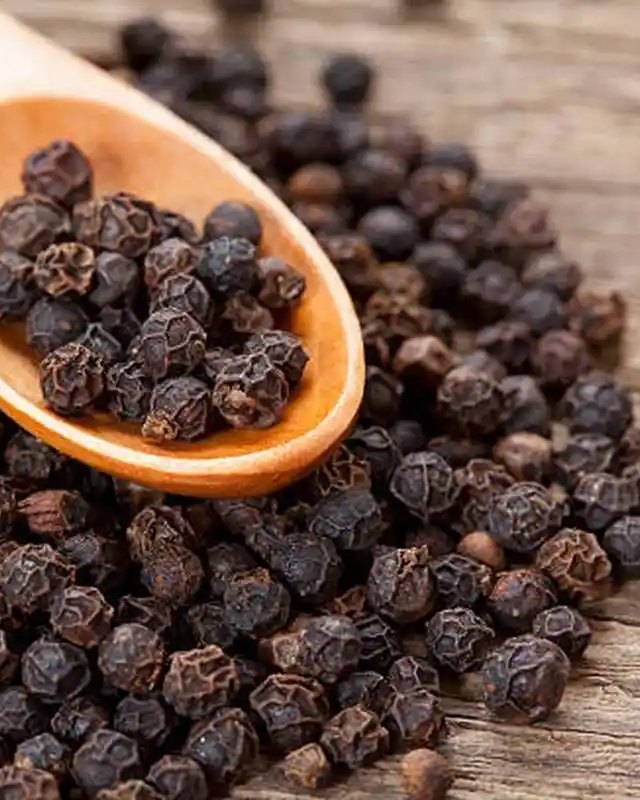
| Black / white pepper | 0904.11 / 0904.12 | Whole / crushed or ground |
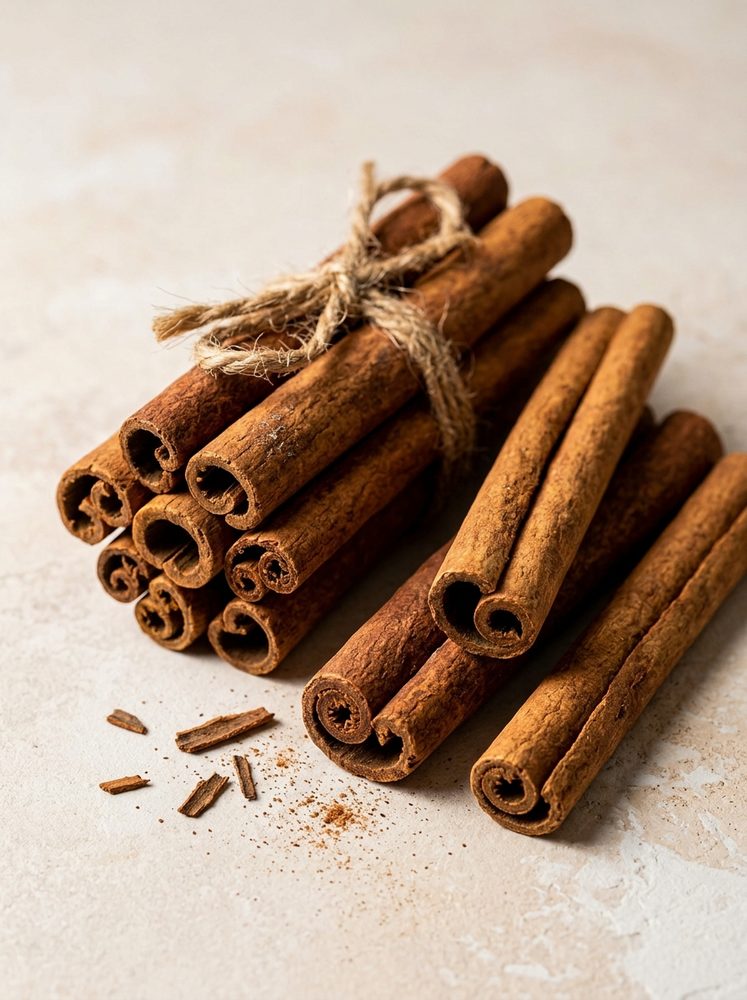
| Cassia bark | 0906.19 | Cinnamon and cassia; cassia is not C. zeylanicum |
| Clove | 0907.00 | Whole, stems, ground share the heading |
| Nutmeg / mace | 0908.11 / 0908.21 | Separate subheadings |
| Ginger / turmeric | 0910.11 / 0910.30 | Whole vs ground matters |
| Sichuan pepper | 1211.90 | Often classified outside chapter 9 |
Indicative only — confirm with your customs broker before contracting. Classification errors surface at clearance, when the container is already on the water.
The document set
What your supplier issues and what you must obtain yourself are two different lists. Knowing the split prevents the classic week-four panic.
| Document | Issued by | Needed for |
|---|---|---|
| Commercial invoice & packing list | Supplier | Every shipment, every market |
| Bill of lading | Carrier | Title document, customs clearance |
| Certificate of origin | CCPIT / customs authority | Duty preference, e.g. Form E for ASEAN |
| Phytosanitary certificate | GACC (China customs) | Plant products in most jurisdictions |
| Health / sanitary certificate | GACC | Many Gulf, African and Latin American markets |
| Fumigation certificate | Licensed fumigator | Where required, or on buyer request |
| Certificate of analysis | Supplier / third-party lab | Spec compliance, your HACCP file |
| Third-party inspection report | SGS, BV, Intertek, CCIC | Pre-shipment verification |
Consular legalisation, halal certification and importer-specific declarations sit outside this table and depend entirely on your market. Tell us the destination at quotation stage and the document list is confirmed before the order is placed, not after.
Choosing an Incoterm
FOB and CIF are the two bases that cover most spice trade from China. The difference is who controls freight and insurance, and it changes your landed cost more than the unit price does.
| Term | Who books freight | Where risk passes | Use it when |
|---|---|---|---|
| FOB Qinzhou / Shekou | Buyer | On board at origin port | You have forwarder rates or a consolidator |
| CFR destination port | Supplier | On board at origin port | You want one price to port, no insurance from us |
| CIF destination port | Supplier | On board at origin port | Simplest first order, minimal forwarding admin |
Our usual loading port is Qinzhou in Guangxi, a few hours by road from Yulin; Shekou or other ports work when the routing is better for you. Note that CIF insurance covers only minimum ICC(C) cover unless agreed otherwise — if your goods need all-risks cover, say so at quotation.
Timeline: from purchase order to your warehouse
Plan backwards from the shelf date, not forwards from the purchase order.
- Order confirmation and deposit: 1–3 business days.
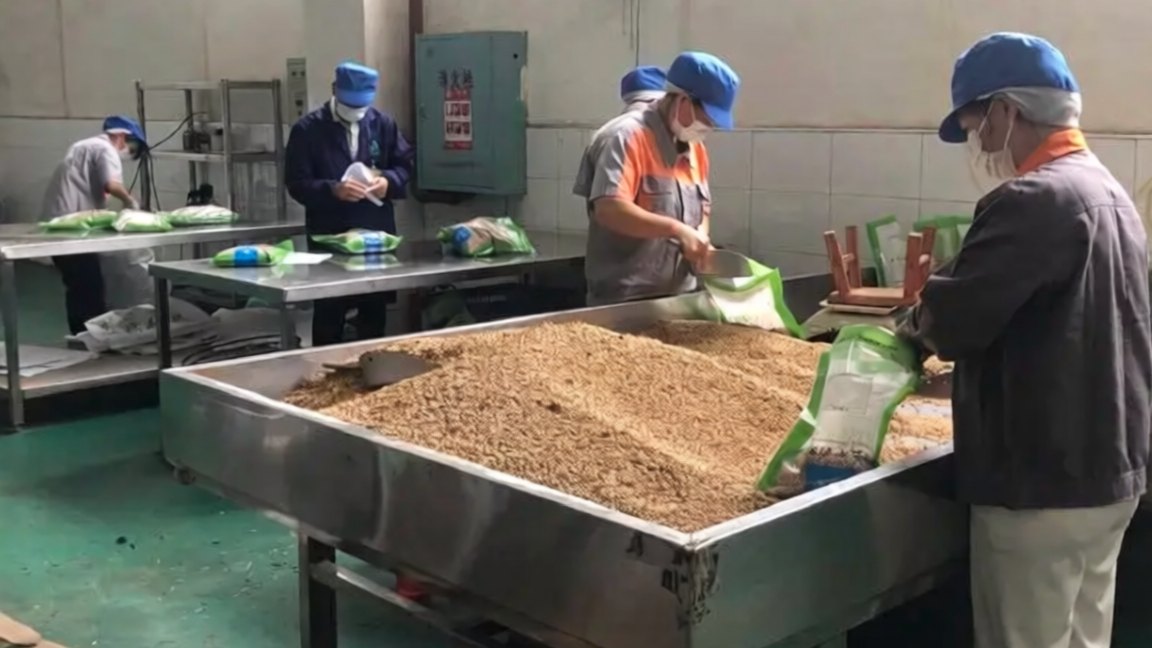
- Production, grading and packing: 25–30 working days for standard grades, longer for bespoke packing or non-standard grades.
- Pre-shipment inspection and document issue: 3–7 days, running in parallel with booking.
- Ocean transit to Europe or the US: typically 25–35 days depending on routing and season.
- Customs clearance and delivery: 3–10 days, plus any hold for testing.
A first order in a new market should assume 10–12 weeks door to door. Repeat orders with agreed specifications compress reliably; first orders with new documentation rarely do.
Destination compliance
European Union
Contaminant limits for dried spices are set in Regulation (EU) 2023/915 — for aflatoxins, 10 µg/kg total and 5 µg/kg for AFB1. Pesticide maximum residue levels follow Regulation (EC) 396/2005 and are product-specific. Ethylene oxide remains a frequent border rejection reason across the bloc.
United States
The importer of record carries the obligations: prior notice to the FDA before arrival, and Foreign Supplier Verification Program records supporting the hazard analysis for each foreign supplier. We supply the lot-level documentation — COA, process description, traceability — that those records require. Senyu Spices does not hold FDA facility registration, so FSVP documentation is the relevant route for US-bound shipments.
Middle East, Central Asia, Southeast Asia
Health certificates and, for several Gulf markets, halal certification are commonly requested. Requirements differ by country and change; confirm the list at quotation stage.
Rule of thumb: residues and contaminants are checked at the border, not at your factory. Budget for one laboratory test on arrival of a first shipment even when the supplier provides a COA.
Payment terms and inspection
Standard terms for spice trade from China are 30% deposit by T/T with 70% against the bill of lading, or an irrevocable letter of credit at sight for larger or first orders. Both are routine; the choice usually depends on your bank’s appetite rather than on the supplier.
For inspection, three levels are practical:
- Supplier pre-shipment sample — free, 200–500 g, buyer pays freight. Fastest and enough for repeat orders.
- Third-party inspection at loading — SGS, Bureau Veritas or CCIC check grade, moisture and packing against the contract.
- Laboratory testing — residues and contaminants, usually combined with the inspection above.
Whichever level you choose, put the acceptance criteria in the contract. “Buyer’s standard quality” is not an acceptance criterion.
Frequently asked questions
What documents do I need to import spices from China?
At minimum a commercial invoice, packing list, bill of lading, certificate of origin and phytosanitary certificate, plus a certificate of analysis for specification compliance. Health certificates, fumigation certificates and halal certification depend on the destination market.
Do you have FDA registration?
No. Senyu Spices does not hold FDA facility registration. For US-bound shipments the importer of record files prior notice and maintains FSVP records, and we provide the lot-level COA, process description and traceability documents those records require.
What is the minimum order?
1 MT per grade. That allows a buyer to run a lot through their own production before committing to a full container of 18–24 MT.
How long does a first order take?
Plan for 10–12 weeks door to door: 25–30 working days for production and packing, 3–7 days for inspection and documents, then 25–35 days of ocean transit plus clearance.
Can you ship CIF instead of FOB?
Yes. We quote FOB Qinzhou by default and can quote CFR or CIF to your port. Note that CIF cover is minimum ICC(C) unless all-risks insurance is agreed at quotation.